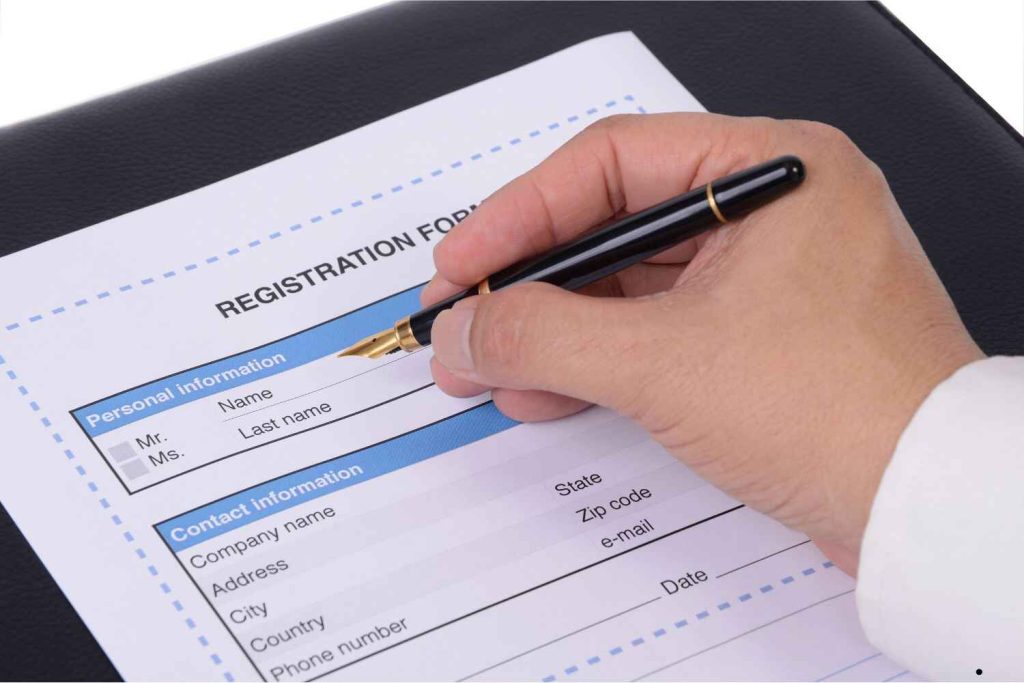
Setting up a company in a Dubai free zone can offer businesses several advantages, including streamlined incorporation, access to international markets, and business-friendly regulations. However, one question that many entrepreneurs ask after establishing their company is: Do free zone companies need VAT registration in Dubai?
The short answer is: Yes, a free zone company may need to register for VAT if it meets the applicable UAE VAT registration requirements. Being incorporated in a free zone does not automatically exempt a business from VAT.
According to the UAE Federal Tax Authority (FTA), UAE-resident businesses must generally register for VAT when the value of their taxable supplies and imports exceeds AED 375,000 over the previous 12 months or is expected to exceed this amount within the next 30 days. Voluntary VAT registration may be available when taxable supplies, imports, or taxable expenses exceed AED 187,500 under the applicable rules.
For businesses operating from Dubai free zones, understanding the difference between free zone status and VAT treatment is essential for maintaining compliance and avoiding unnecessary penalties.
What Is VAT Registration in the UAE?
Value Added Tax (VAT) is a consumption tax imposed on certain supplies of goods and services in the UAE. Businesses that meet the registration requirements must obtain a Tax Registration Number (TRN) from the Federal Tax Authority.
VAT registration allows an eligible business to:
Charge VAT on applicable taxable supplies
Recover eligible input VAT
Submit VAT returns to the FTA
Maintain VAT-compliant financial records
Meet UAE tax compliance obligations
The FTA confirms that VAT registration requirements can apply to businesses operating in both free zones and mainland jurisdictions.
Are Free Zone Companies Exempt From VAT?
A common misconception is that every company established in a UAE free zone is automatically outside the VAT system.
That is not correct.
A free zone company is still potentially subject to UAE VAT depending on its business activities, taxable supplies, imports, customers, and transactions.
The fact that a company operates from a free zone does not, by itself, remove its VAT obligations. Businesses should therefore evaluate their activities and turnover rather than relying solely on their free zone status.
For example, a Dubai free zone company providing consultancy services to UAE customers may have VAT obligations that need to be assessed based on the nature and value of its taxable supplies.
When Does a Free Zone Company Need Mandatory VAT Registration?
For a UAE-resident business, VAT registration generally becomes mandatory when the value of taxable supplies and imports:
Exceeded AED 375,000 during the previous 12 months; or
Is expected to exceed AED 375,000 during the next 30 days.
The FTA states that businesses required to register must submit their VAT registration application within 30 days of becoming required to register.
This means a free zone company should monitor its turnover continuously rather than waiting until the end of the financial year.
What Is the Voluntary VAT Registration Threshold?
Not every free zone company immediately reaches the mandatory VAT threshold.
A UAE-resident business may generally be eligible for voluntary VAT registration if the value of its taxable supplies, imports, or taxable expenses meets the voluntary registration threshold of AED 187,500 under the applicable requirements.
Voluntary registration can sometimes be useful for growing businesses that want to establish VAT compliance before they reach the mandatory threshold.
However, registration should be evaluated carefully because becoming VAT registered also creates ongoing administrative responsibilities.
Does a Designated Free Zone Have Special VAT Rules?
This is where VAT treatment can become more complicated.
The UAE VAT framework distinguishes certain Designated Zones for specific VAT purposes. However, being located in a Designated Zone does not mean that every transaction carried out by the company is automatically outside the scope of VAT.
The VAT treatment can depend on factors such as:
The type of goods or services supplied
Whether goods are moved within or outside the UAE
Where the customer is located
Whether goods enter the UAE mainland
The nature of the transaction
Whether the company imports or exports goods
Whether the business meets VAT registration thresholds
The FTA specifically notes that businesses established in a Designated Zone and involved in trading goods need to assess their activities and supplies against the mandatory and voluntary VAT registration requirements. The FTA may also request business-flow information and supporting documents during registration.
Therefore, companies should not assume that Designated Zone status means VAT registration is unnecessary.
Free Zone Company vs Mainland Company for VAT
One of the most important points for business owners is that VAT registration is not simply determined by whether a company is located in a free zone or mainland.
The VAT assessment focuses on the business's taxable activities and applicable thresholds.
For example:
Free Zone Company:
A free zone company making taxable supplies may become required to register when it crosses the mandatory threshold.
Mainland Company:
A mainland company making taxable supplies is subject to the same general mandatory registration threshold for UAE-resident businesses.
The FTA explicitly states that businesses can be required to register whether they are based in a free zone or mainland.
What Types of Free Zone Businesses Should Monitor VAT Carefully?
VAT considerations can be particularly important for free zone businesses involved in:
The VAT treatment of each transaction can vary, so businesses should assess their actual activities instead of relying on a general assumption about their free zone.
How Does VAT Registration Affect a Free Zone Business?
Once registered, a business takes on several responsibilities.
Charging VAT
Where applicable, the company must charge VAT on taxable supplies and issue compliant tax invoices.
Maintaining Records
VAT-registered businesses need appropriate accounting and supporting documentation to demonstrate their transactions and VAT calculations.
Filing VAT Returns
Registered businesses must submit VAT returns to the FTA according to their assigned tax period. The FTA states that VAT returns are generally due within 28 days from the end of the relevant Tax Period.
Paying VAT
Where output VAT exceeds recoverable input VAT, the business may have VAT payable to the FTA.
Recovering Input VAT
Subject to UAE VAT rules and documentation requirements, a registered business may be able to recover eligible VAT incurred on business expenses.
What Documents Are Needed for VAT Registration?
A company applying for VAT registration will generally need to provide business and financial information through the FTA's EmaraTax platform.
Depending on the company's circumstances, supporting information can include:
Trade licence
Certificate of incorporation
Memorandum or Articles of Association
Passport and identification documents for relevant individuals
Company contact information
Bank or financial information where applicable
Details of business activities
Revenue information
Customs information, where applicable
Supporting evidence relating to taxable supplies
The FTA's current VAT registration process is completed through EmaraTax. Applicants create a taxable person profile, select VAT registration and complete the required information and documentation.
How to Register a Free Zone Company for VAT in Dubai
The VAT registration process generally follows these steps:
Step 1: Review your business activities
Identify the goods or services your company supplies and determine which transactions may be taxable.
Step 2: Calculate taxable turnover
Review your taxable supplies and imports over the previous 12 months and consider whether your business expects to cross the threshold during the next 30 days.
Step 3: Determine whether registration is mandatory or voluntary
If your business meets the mandatory threshold, registration is required. If it meets the voluntary threshold but not the mandatory threshold, voluntary registration may be considered.
Step 4: Prepare supporting documents
Collect your trade licence, incorporation documents, financial records, identification documents, and other information required for the application.
Step 5: Create an EmaraTax account
The FTA's VAT registration process is completed through its EmaraTax system.
Step 6: Submit the VAT registration application
Enter the required information, upload supporting documents, and submit the application for FTA review.
Step 7: Maintain ongoing compliance
After receiving the VAT registration certificate and TRN, maintain appropriate records, issue compliant invoices, calculate VAT correctly, and submit returns within the applicable deadlines.
Common VAT Mistakes Free Zone Companies Should Avoid
Free zone businesses can encounter compliance problems when they misunderstand how VAT applies to their operations.
Common mistakes include:
Assuming free zone means VAT exempt
Free zone status does not automatically eliminate VAT registration obligations.
Ignoring the AED 375,000 threshold
Businesses should monitor taxable supplies and imports continuously rather than checking turnover only at year-end.
Confusing Corporate Tax with VAT
Corporate Tax and VAT are separate UAE tax regimes with different registration requirements and compliance processes.
Incorrectly treating all Designated Zone transactions as zero-rated or outside VAT
The VAT treatment depends on the specific transaction and applicable legislation.
Missing the registration deadline
The FTA states that a person required to register must submit the application within 30 days of becoming required to register.
Poor record keeping
Incomplete invoices, contracts, expense records, and transaction documentation can create problems during VAT compliance reviews.
Why Professional VAT Assistance Can Help
VAT rules can become complicated when a free zone company has international customers, UAE customers, imports, exports, multiple revenue streams, or transactions involving Designated Zones.
Working with a knowledgeable advisor can help businesses:
Assess whether VAT registration is required
Monitor registration thresholds
Prepare supporting documents
Understand transaction treatment
Complete the registration process
Establish VAT-compliant accounting procedures
Prepare for VAT return filing
Reduce avoidable compliance risks
For businesses searching for a reliable vat registration company in dubai, choosing an advisor familiar with UAE business structures and tax compliance can make the registration process more straightforward.
How Takween Advisory Supports Free Zone Businesses
Takween Advisory helps entrepreneurs, startups, SMEs, and international investors understand and manage their UAE business setup and compliance requirements.
For free zone companies, Takween Advisory can provide guidance on VAT registration requirements, documentation, business structuring, tax-related processes, and ongoing compliance considerations.
The objective is not simply to complete a registration application but to help business owners understand their responsibilities and establish a practical compliance process.
Whether a company is newly incorporated or already operating in Dubai, Takween Advisory can help assess its business circumstances and identify the appropriate next steps.
Frequently Asked Questions
1. Do all Dubai free zone companies need VAT registration?
No. VAT registration is not automatically required simply because a company operates in a free zone. The requirement depends on the company's taxable activities and whether it meets the applicable VAT registration criteria.
2. What is the mandatory VAT registration threshold in the UAE?
For UAE-resident businesses, the mandatory threshold is generally AED 375,000 of taxable supplies and imports over the previous 12 months or expected within the next 30 days.
3. Can a free zone company voluntarily register for VAT?
Yes, a UAE-resident business that does not meet the mandatory threshold may generally be eligible for voluntary registration if it meets the AED 187,500 voluntary threshold through taxable supplies, imports, or qualifying taxable expenses under the applicable rules.
4. Does Designated Zone status mean a company does not need VAT registration?
No. Designated Zone status does not automatically remove VAT registration requirements. The business must assess its activities and transactions under the UAE VAT rules.
5. Where do businesses apply for VAT registration?
VAT registration applications are submitted through the Federal Tax Authority's EmaraTax platform.
6. How long does a business have to apply after becoming required to register?
The FTA states that a person required to register for VAT must submit the registration application within 30 days of becoming required to register.
7. Can Takween Advisory help with VAT registration?
Yes. Takween Advisory can guide Dubai businesses through VAT registration requirements, documentation, business setup considerations, and related compliance processes.
Final Thoughts
So, do free zone companies need VAT registration in Dubai?
They can, depending on their taxable activities and turnover. Free zone incorporation does not automatically exempt a business from UAE VAT. For UAE-resident businesses, the mandatory registration threshold is generally AED 375,000 in taxable supplies and imports over the relevant period, while voluntary registration may be available from AED 187,500 under the applicable requirements.
The most important step is to assess the company's actual activities, transactions, customers, imports, exports, and turnover.
If you are unsure whether your free zone company needs VAT registration, professional guidance can help you make an informed decision and maintain compliance.
Takween Advisory can assist businesses with VAT-related registration requirements alongside broader UAE company formation, business setup, and compliance services.